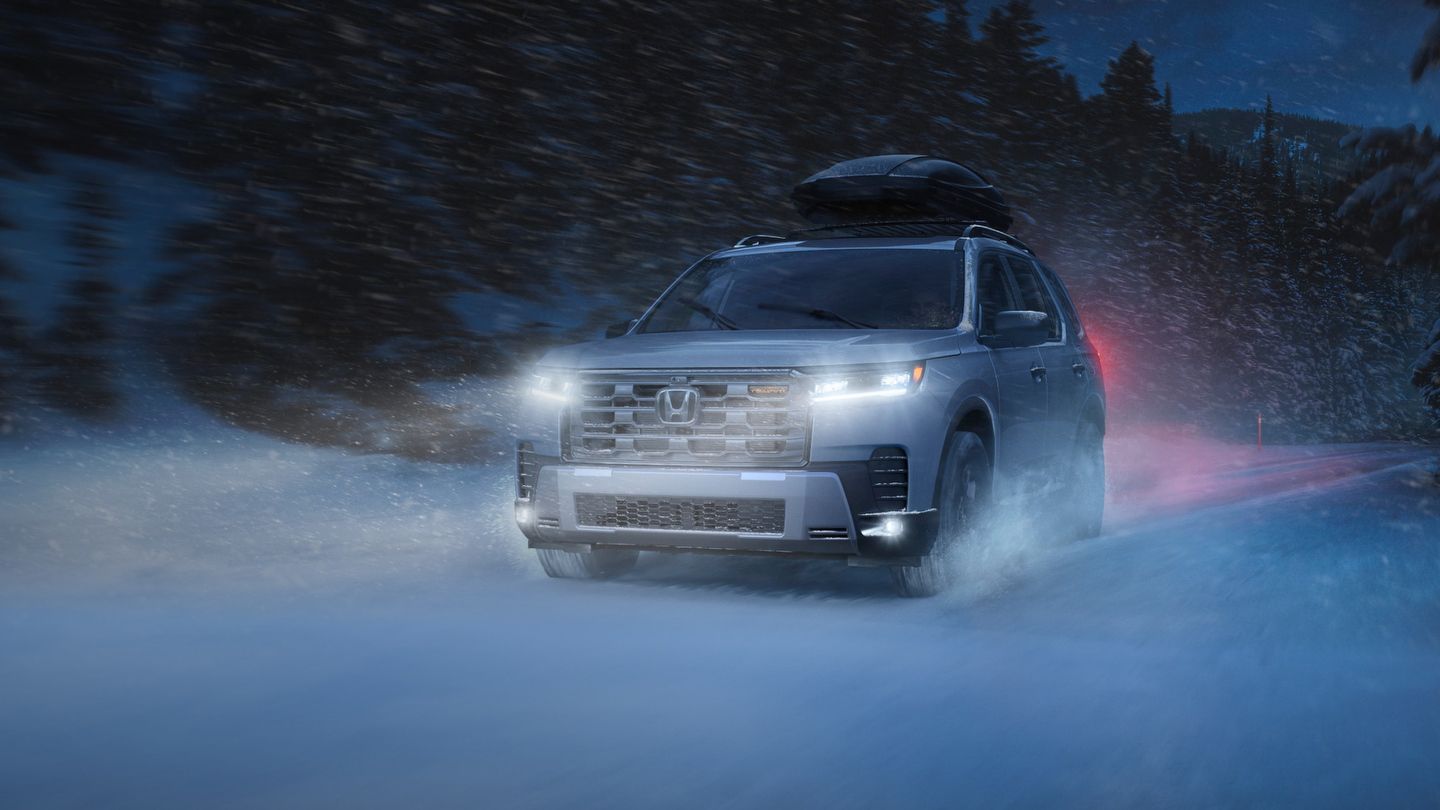
The first truly cold morning of the season always seems to sneak up on us. One day your tires feel fine, and the next your Honda needs a little more room to stop at the bottom of a slushy hill.
Shopping for winter tires can feel like learning a new language. This guide keeps it simple for Goderich drivers: what to look for on the tire, how to make sure a set fits your Honda, and a few easy habits that keep it working until spring.
At a Glance: Winter Tire Basics for Popular Honda Models
You don’t need to memorize tire codes. Find your Honda below, then let the numbers on your current tires do the rest.
|
Your Honda
|
Factory Wheel Size
|
Good to Know
|
|
Civic
|
16-inch (LX), 18-inch (hybrid trims)
|
Front-wheel drive, so fit four winter tires
|
|
Accord
|
19-inch
|
Bring the exact tire size when you shop
|
|
HR-V
|
17-inch (LX), 18-inch (Sport, EX-L)
|
Snow mode and available Real Time AWD
|
|
CR-V
|
17-inch (LX), 18-inch or 19-inch (other trims)
|
Snow mode and available Real Time AWD
|
|
Pilot
|
18-inch or 20-inch, by trim
|
i-VTM4 AWD and tire pressure monitoring
|
|
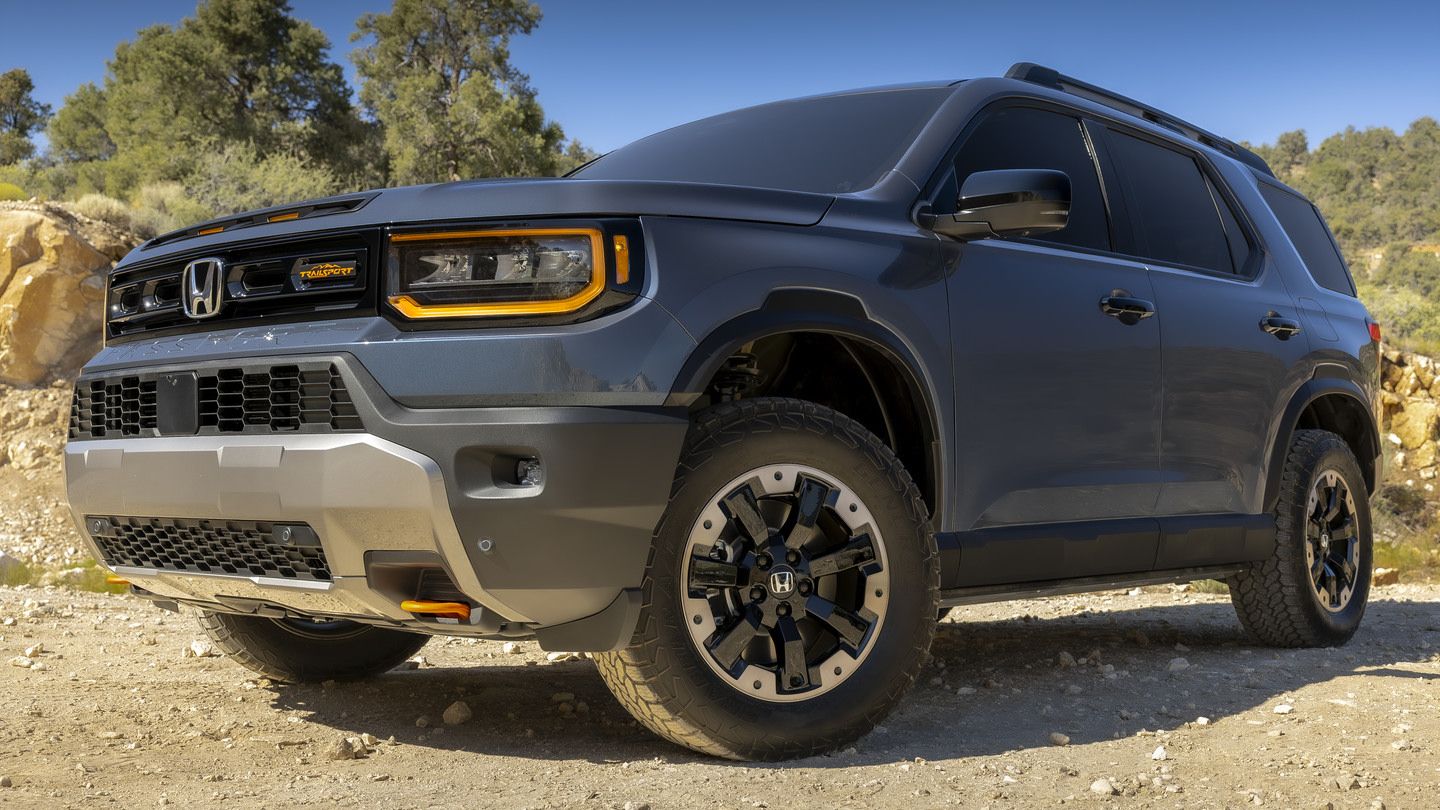
Passport
|
18-inch
|
i-VTM4 AWD; use TPMS-specific wheels
|
|
Odyssey
|
18-inch or 19-inch, by trim
|
Snow mode and tire pressure monitoring
|
Look for the Snowflake and Watch the Thermometer
Turn any winter tire on its side and look for a small mountain with a snowflake inside. Transport Canada says that symbol means the tire has met specific snow traction requirements and is built for severe snow.
A tire marked only M+S (mud and snow) doesn’t carry that snowflake rating. Lots of all-season tires wear the M+S label, including the ones that come on the CR-V.
When to switch has more to do with temperature than snow. Transport Canada notes that all-season tires start to stiffen below 7°C, while winter tires stay soft and grippy well below that. Once your morning drives start below 7°C, it’s time to book the swap.
You’ll feel the difference when you hit the brakes. The Tire and Rubber Association of Canada (TRAC) points to research showing stopping distances up to 30% shorter on winter tires than on all-seasons just below freezing.
Make Sure the Set Fits Your Honda
The easiest way to get it right is to copy what your Honda already wears. Check the sidewall of your current tires or the sticker inside the driver’s door. That size is your shopping list.
Honda’s advice is to match the size and load rating of the original tires and to put winter tires on all four wheels. Mixing two winter tires with two all-seasons leaves your grip uneven from front to rear.
There’s a safety reason too. Honda’s Canadian spec sheets warn that mixing tire sizes or types can keep Vehicle Stability Assist (VSA) from working properly. VSA is the system that helps keep your Honda steady in a slide, so you want it at its best in January.
Thinking About a Second Set of Wheels?
Plenty of drivers mount their winter tires on their own set of wheels. It makes each fall and spring changeover quicker.
If you drive a Pilot, Passport, Ridgeline or Odyssey, give the wheels a little extra thought.
These models use a Tire Pressure Monitoring System (TPMS), and Honda calls for TPMS-specific wheels on models such as the Passport and Odyssey. Ask for compatible wheels so the system keeps watching your pressures all winter.
Even with TPMS, Honda recommends checking your tires with a gauge. Cold air pulls pressure down fast: TRAC says tires lose about 1 psi for every 5°C the temperature drops.
Does AWD Mean You Can Skip Winter Tires?
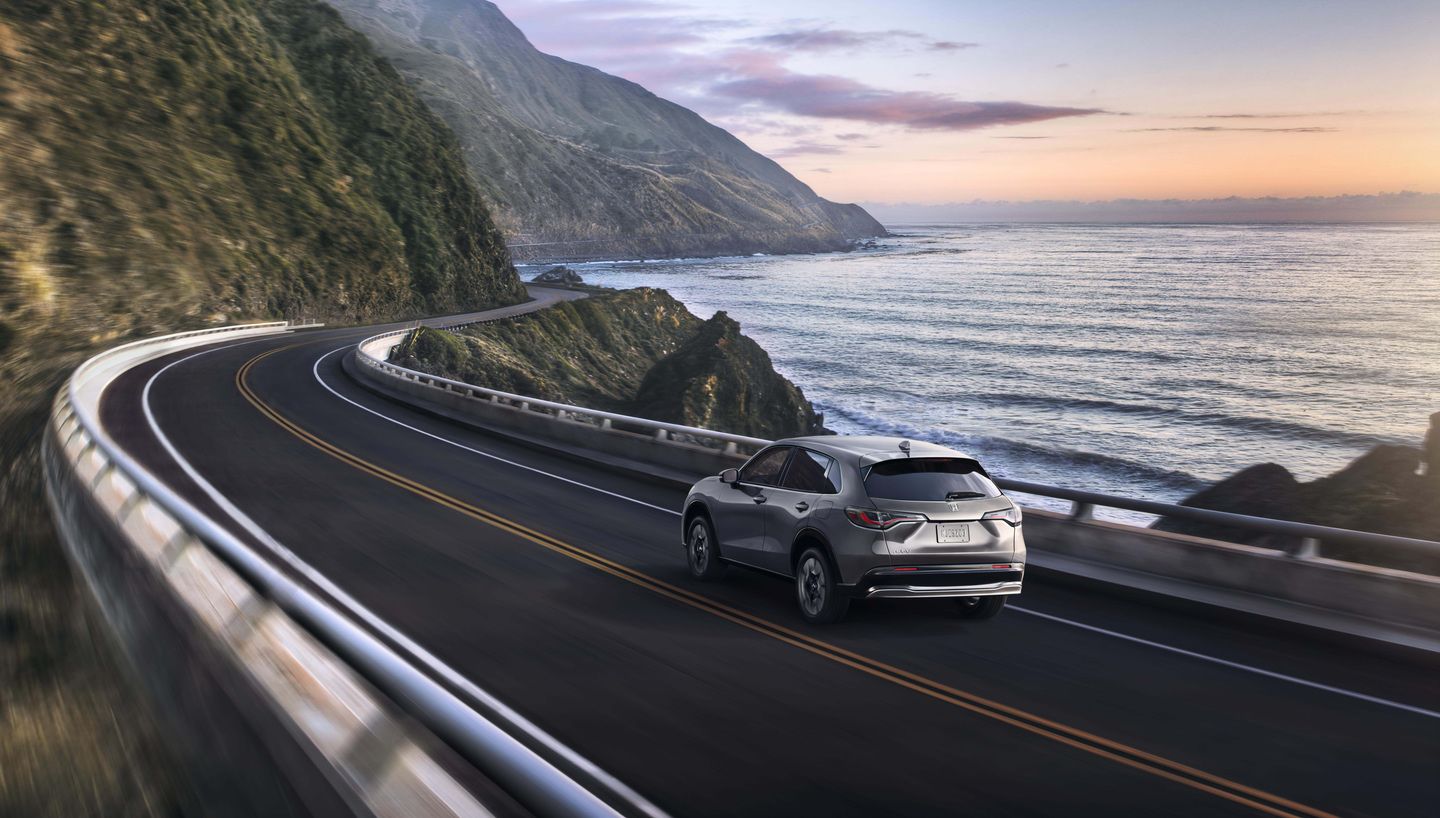
It’s a fair question. Honda AWD is very good at getting you moving on slippery roads. The HR-V and CR-V offer Real Time AWD with Intelligent Control System, while the Pilot, Passport and Ridgeline use i-VTM4 AWD, which can shift power between the two rear wheels.
AWD does its job when you accelerate. Stopping and steering still depend on how well your tires grip the road, so four winter tires make every AWD Honda a better winter vehicle. The HR-V, CR-V, Pilot, Passport, Ridgeline and Odyssey also offer a Snow drive mode for slippery days.
Driving a Prologue? Honda Canada’s EV tire advice focuses on tires rated for the vehicle’s weight and its near-instant torque. Keep pressures up, too, since Honda notes underinflated tires add rolling resistance and cut into driving range.
Your Winter Tire Checklist
Once your new set is on, a few quick habits keep it working all season:
- Check pressure while the tires are cold. That means parked for at least three hours or driven less than 1.6 km.
- Set pressures to the label inside the driver’s door. That’s the number Honda specifies for your vehicle.
- Keep an eye on tread. Transport Canada advises against using tires worn close to 4 mm on snow-covered roads.
- Watch for Maintenance Minder code 1. It means a tire rotation is due. The system can’t measure tread, so a quick look still helps.
Which Winter Setup Fits Your Honda?
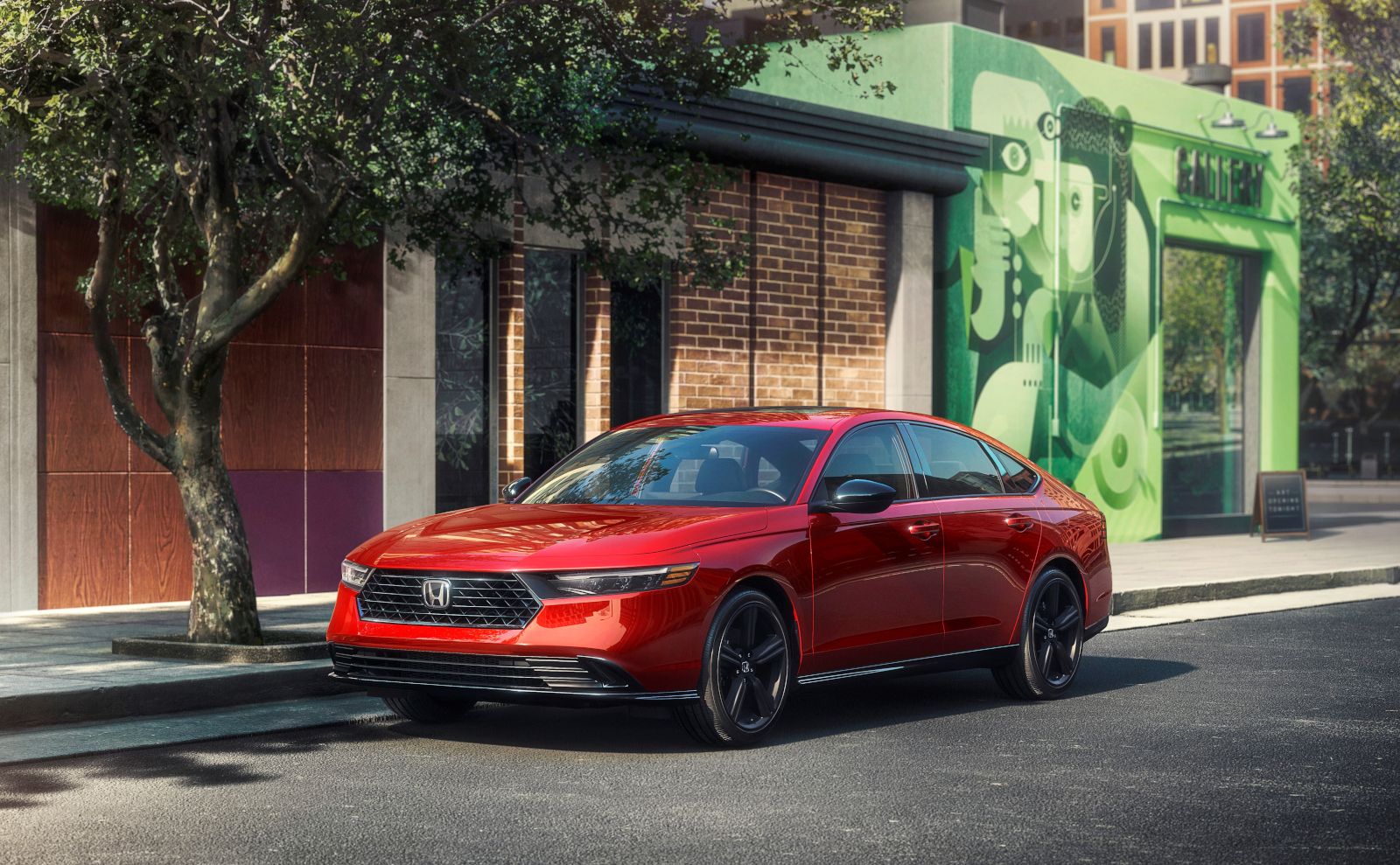
Civic or Accord: Match the factory size exactly and put four winter tires on. That’s really all there is to it.
HR-V or CR-V: Four winter tires let Real Time AWD and Snow mode do their best work.
Pilot, Passport, Ridgeline or Odyssey: Buying a second set of wheels? Make sure they’re TPMS-compatible.
Prologue: Pick tires suited to an EV’s weight and torque, and check pressures often once it turns cold.
Get Winter-Ready at Goderich Honda
Good winter tires come down to a few simple checks: the snowflake symbol, the right size for your Honda and a matching set on all four wheels.
Not sure what your Honda needs? Stop by the parts and service team at Goderich Honda in Goderich with your model and trim. They’ll help you sort out the right size, wheels and TPMS details, so you can book your changeover before temperatures settle below 7°C.